Enhance Your Home: Crucial Insights About Home Remodeling Services for All Property Owners
Residents commonly search for methods to enhance their residences by using renovation services. Such undertakings may vary from kitchen upgrades to comprehensive home makeovers. Understanding the options available is essential for making informed decisions. Moreover, one must consider real-world factors such as setting a budget and contractor selection. As homeowners commence on this journey, they may find themselves facing unforeseen difficulties. The secret to a great renovation lies in careful planning and execution. Which actions should follow?
Understanding the Different Types of House Improvement Projects

As householders look to improve their homes, they typically find many different types of services suited to various requirements and preferences. These projects are generally grouped into a few distinct groups, each addressing specific aspects of home improvement. Renovating the kitchen involves upgrading equipment, the cabinets, and floor plans to improve usability and visual appeal. Bathroom remodeling typically involves improving the fittings, tiling, and shelving options for improved comfort and visual flair.
Complete residential remodeling includes significant changes throughout the residence, sometimes requiring major structural work to valuable guide maximize the area and layout. Outdoor renovation projects, conversely, aim to improve the home's outward appearance, addressing siding, the roof, and the yard. Furthermore, specific options like basement finishing and attic conversions help residents make the most of unused areas. Every renovation category offers unique benefits, enabling homeowners to choose options that align with their vision for their residence. Understanding these distinctions is vital for making informed decisions while undertaking the upgrade.
Setting a Realistic Budget for Your Renovation Undertaking
What steps ensure their remodeling projects remain economically sound? Setting a practical budget is crucial. Homeowners should begin by assessing their monetary resources, including savings and potential financing options. This preliminary action will help determine how much can be allocated for the updating project without jeopardizing other monetary duties.
Afterward, those undertaking the remodel should look into the financial requirements of their intended changes, including materials, labor, and surprise expenses that tend to crop up. Creating a detailed list of priorities aids in distinguishing essentials from desirable features, making it possible to adjust if funds become limited.
It is smart to incorporate a reserve fund, typically around 10-20% of the total budget, to cover unexpected costs. Regularly reviewing and adjusting the budget as the updating work progresses can further assist in keeping finances in check. In the end, a carefully structured budget does more than just confirm the project can be done but also enhances the overall remodeling experience for homeowners.
Selecting the Appropriate Contractor to Suit Your Project.
Choosing the appropriate professional can significantly affect the success of a remodeling project. Homeowners should begin by performing extensive investigation, seeking recommendations from friends, family, or online reviews. It is crucial to check qualifications, like licenses, insurance, and bonds, to establish credibility.
After suitable professionals have been found, property owners must ask for comprehensive quotes and schedules, facilitating well-grounded side-by-side evaluations. Discussions reveal their approach to dialogue and their level of expertise, which are essential for a collaborative process.
Furthermore, examining previous work via portfolios or referrals demonstrates the professional's skill level. It is wise to question them regarding warranties or safeguards, indicating the builder's certainty about their services.
In the end, choosing a professional who matches the homeowner's goals, finances, and schedule leads to a more favorable updating process, making certain the outcome satisfies needs and transforms the living space effectively.
Planning and Designing The Space You Envision.
When property owners picture their perfect areas, meticulous organization and deliberate design form vital parts of a triumphant renovation effort. The beginning stage requires reviewing existing necessities and future desires, allowing for a thorough understanding of how the space will be used. Homeowners should consider functionality, visual appeal, and their individual taste, ensuring that the design reflects their individual tastes.
Following this, establishing a thorough budget is crucial. This budget should accommodate supplies, labor, and potential unforeseen expenses. Hiring professional designers can give meaningful advice, assisting in improving the layout while adhering to budgetary constraints.
Incorporating elements like ample daylight, spacious designs, and sustainable materials can elevate the living environment. Lastly, seeing the project via sketches or digital renderings can assist in finalizing plans before implementation. By approaching the planning and design phase with intention, homeowners can design a welcoming, practical area tailored to their lifestyle.
Understanding Regulations and Permits in Home Remodeling
Grasping the intricacies of permits and rules can be intimidating for homeowners beginning a home improvement project. Every local government sets particular guidelines that govern what can be done during renovations, typically guided by area restrictions, construction standards, and safety standards. Owners need to acquaint themselves with local regulations so they don't incur hefty fees or construction hold-ups.
In most cases, getting permits is mandatory for significant alterations, such as modifying load-bearing elements or new wiring installations. This process often involves submitting plans for review and might demand site visits at multiple points.
Hiring an experienced builder can make this procedure easier, as they are usually well-versed in local regulations and can aid in filing necessary forms. Owners must also maintain clear communication with local building departments to verify legality throughout the project. By comprehending and working within these rules, homeowners can achieve their remodeling goals and maintaining compliance with the law in their renovations.
Common Queries
How Long Does a Typical Home Remodeling Project Take?
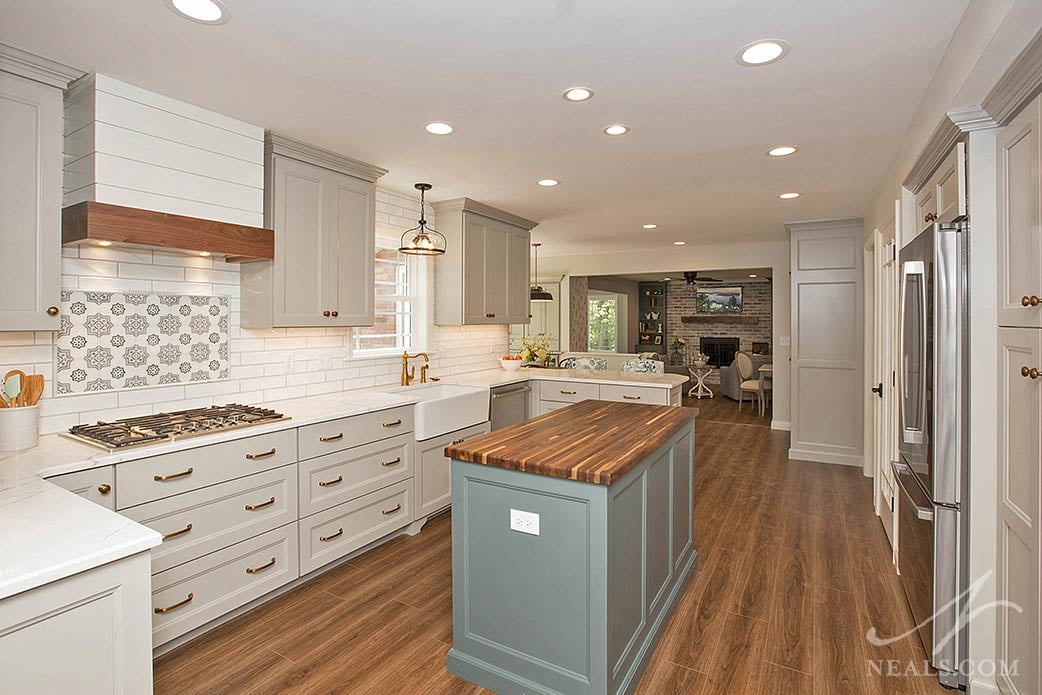
A standard home renovation generally requires three to six months on average, depending on the scope of work, size of the home, and availability of materials. More involved renovations might need extra time for completion.
What are common mistakes you should steer clear of while undertaking a remodel?
Frequent errors when renovating a home are things like underestimating budgets, ignoring necessary permits, not adhering to the project schedule, failing to communicate effectively with contractors, and failing to think about long-term functionality. Knowing these potential problems often results in a more efficient, more successful renovation project.
What's the best way to select the appropriate materials for my project?
Selecting appropriate supplies requires assessing how long they will last, the look and feel, and budget. Researching options, consulting professionals, and thinking about upkeep are vital steps in reaching educated conclusions, to guarantee the project fits your functional and aesthetic goals.
Is it possible to stay in my house during renovations?
You are able to stay in the house during renovations, but it may lead to inconvenience. Thorough preparation, clear communication with contractors, and setting aside certain zones for daily use can help minimize disruption while the work is underway.
What warranties should I expect by my builders?
Clients typically receive warranties for the labor performed, the supplies used, and structural components, often covering a period of one to ten years. It is essential to examine specific terms and conditions with contractors to know the full extent of the guarantee and its restrictions.